

Fall Riding Tips: Keep the Good Miles Coming


The coffee tastes better when your hands are wrapped around it at a roadside stop. Your favorite riding jacket gets pulled out again. And the road you’ve ridden all summer suddenly gives you a reason to take the long way home.
Fall has a lot going for it.
It also has a way of changing the plan. A comfortable afternoon turns into a cold ride home. A familiar corner collects wet leaves. That last stop puts you back on the road after dark.
A little preparation goes a long way toward keeping those rides worth taking. Here’s what to pay attention to before you head out.
Dress for the ride home
Standing in your driveway at noon tells you very little about how you’ll feel riding home after sunset.
Check the forecast along your route, including the temperatures expected when you’ll return. If you’re heading into the mountains or riding well into the evening, pack for those conditions.
Build your layers around your protective riding gear. Add an insulating layer for warmth and a windproof outer layer when needed. Bring waterproof riding rain gear if rain is possible. Staying dry makes a big difference when temperatures drop.
Try everything on together before leaving. Sit on the bike, reach for the bars, and turn your head. You should be able to move comfortably without fabric pulling tight or bunching up.
Our Trucker Waxed Canvas Motorcycle Jacket feels right at home on a fall ride. A 12-ounce weather-resistant waxed canvas shell and vintage flannel lining bring comfort and classic style, while DuPont™ Kevlar® lining and pockets for compatible D3O® armor add protective features. Layer underneath for colder miles, and keep waterproof rain gear packed if showers are in the forecast.
Give your tires some attention
Your tires deserve more than a quick glance before you roll out.
Cooler temperatures can lower tire pressure. Check both tires with a gauge while they’re cold, and use the pressure specified in your motorcycle’s owner’s manual for your load. The maximum pressure printed on the tire sidewall is not your everyday pressure target.
If you check again after riding, expect a higher reading. Don’t bleed air from a hot tire to bring it down to the cold specification; it can end up underinflated once it cools.
Cold conditions can also mean tires take longer to warm up. Keep your early riding inputs measured, and continue adjusting your pace to the conditions throughout the ride.

Read the pavement through the scenery
Fall colors are a good reason to take a backroad. They’re also a good reason to pay closer attention to what’s covering it.
Wet leaves, loose gravel, and damp pavement can reduce traction. Slow down before reaching a questionable patch or entering a wet corner. Keep your steering, shifting, throttle, and braking smooth, and leave more room to stop.
Watch shaded stretches, too. Different sections of the same road dry at different rates. When temperatures approach freezing, bridges, overpasses, and shaded or low areas deserve particular caution because ice can develop there. If the route is icy or snow-covered, change the plan.
A familiar road still needs a fresh read every time you ride it.
Keep your hands comfortable enough to work
Cold fingers can turn a good ride into a countdown to the next stop.
Wear full-finger motorcycle gloves suited to the weather, and check that you can comfortably operate every control. Bulky gloves can make that harder; gloves that are too tight can restrict circulation. Gauntlet cuffs help keep cold air from finding its way up your sleeves.
If you’re getting cold enough that your hands or concentration are suffering, stop somewhere safe and warm up before continuing.
Build that stop into the day. Nobody’s favorite riding story starts with wishing they’d spent less time drinking coffee.

Plan for the daylight you actually have
One more overlook. One more fuel stop. One more conversation in the parking lot.
That’s how a daytime ride turns into a nighttime ride.
Check sunset before leaving and give yourself some margin. Inspect your lights before you go, and make yourself easier to see with reflective or light-colored gear. If your usual kit is dark, a reflective over-vest is a practical addition.
Keep your face shield clean and in good condition, and have a clear shield or clear protective eyewear ready for darkness. A tinted shield that worked at lunch is the wrong choice for the trip home after sunset.
Watch the roadside, too
Deer and other wildlife can be more active in fall, especially around dawn and dusk. Pay extra attention near wooded areas and wildlife-crossing signs.
If you see one deer, watch for others following it. Reduce your speed and give yourself more time to respond.
It’s another reason to leave enough daylight for the return trip. The scenic stretch you enjoyed earlier may demand more attention on the way back.
Keep protection in the outfit
Denim and canvas feel right this time of year. Make sure the pieces you ride in have the protection you’re looking for.
At Tobacco, we build gear around the idea that you should want to wear it on the bike and keep wearing it when you get where you’re going. Classic style and protective construction belong in the same outfit.
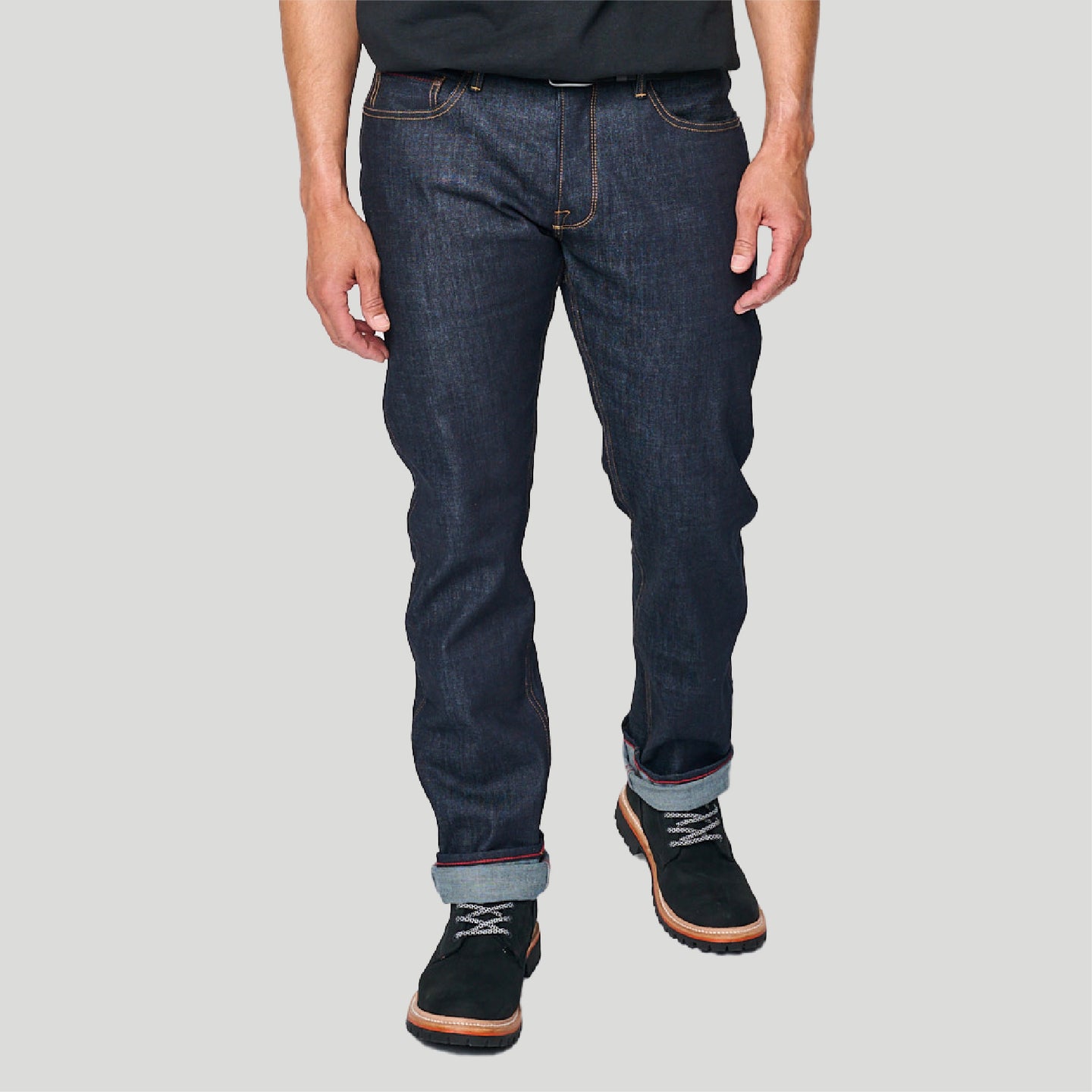
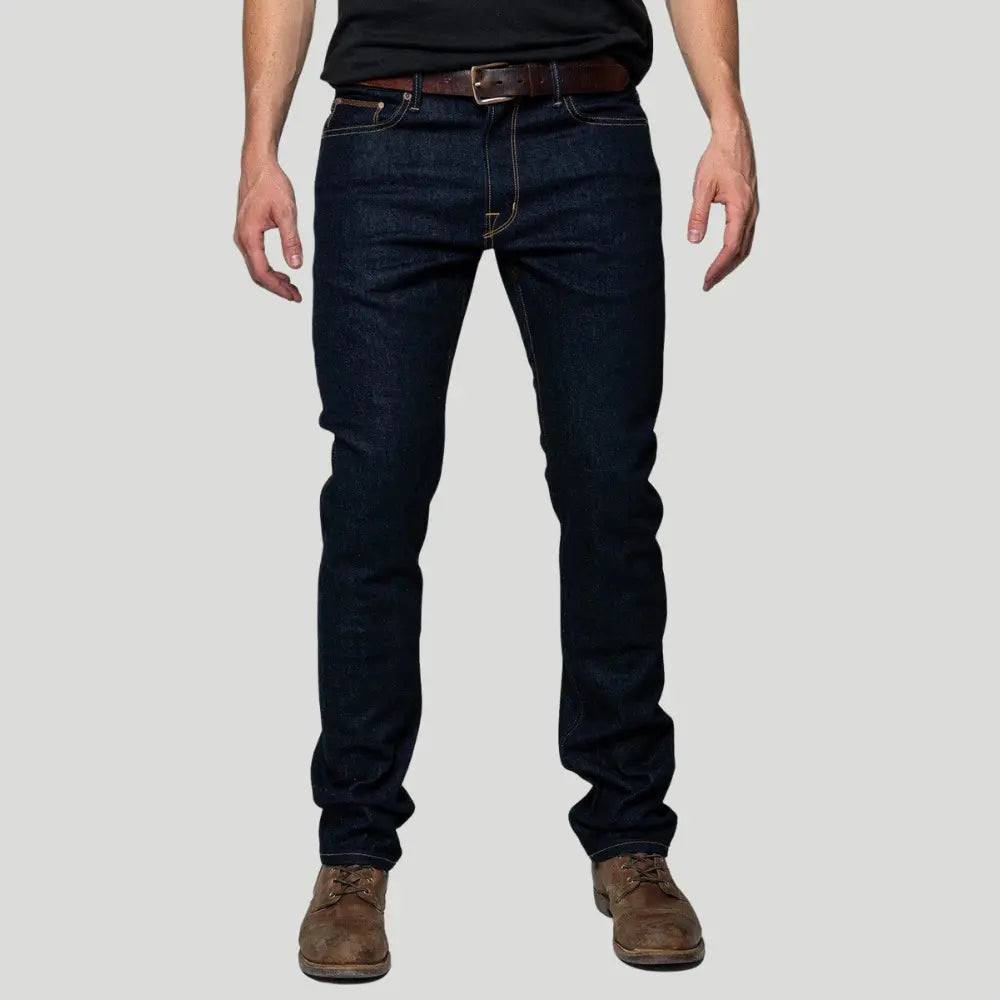
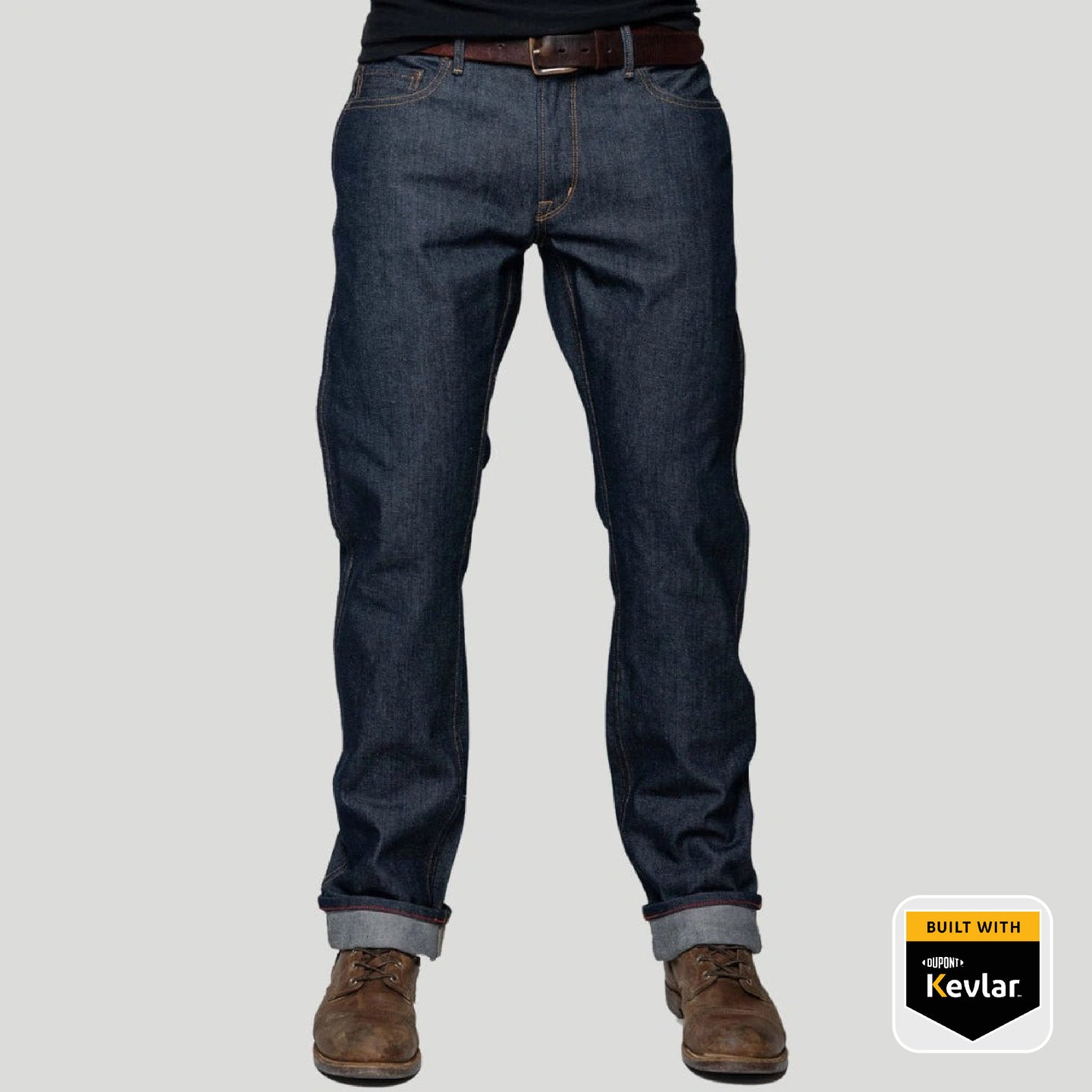
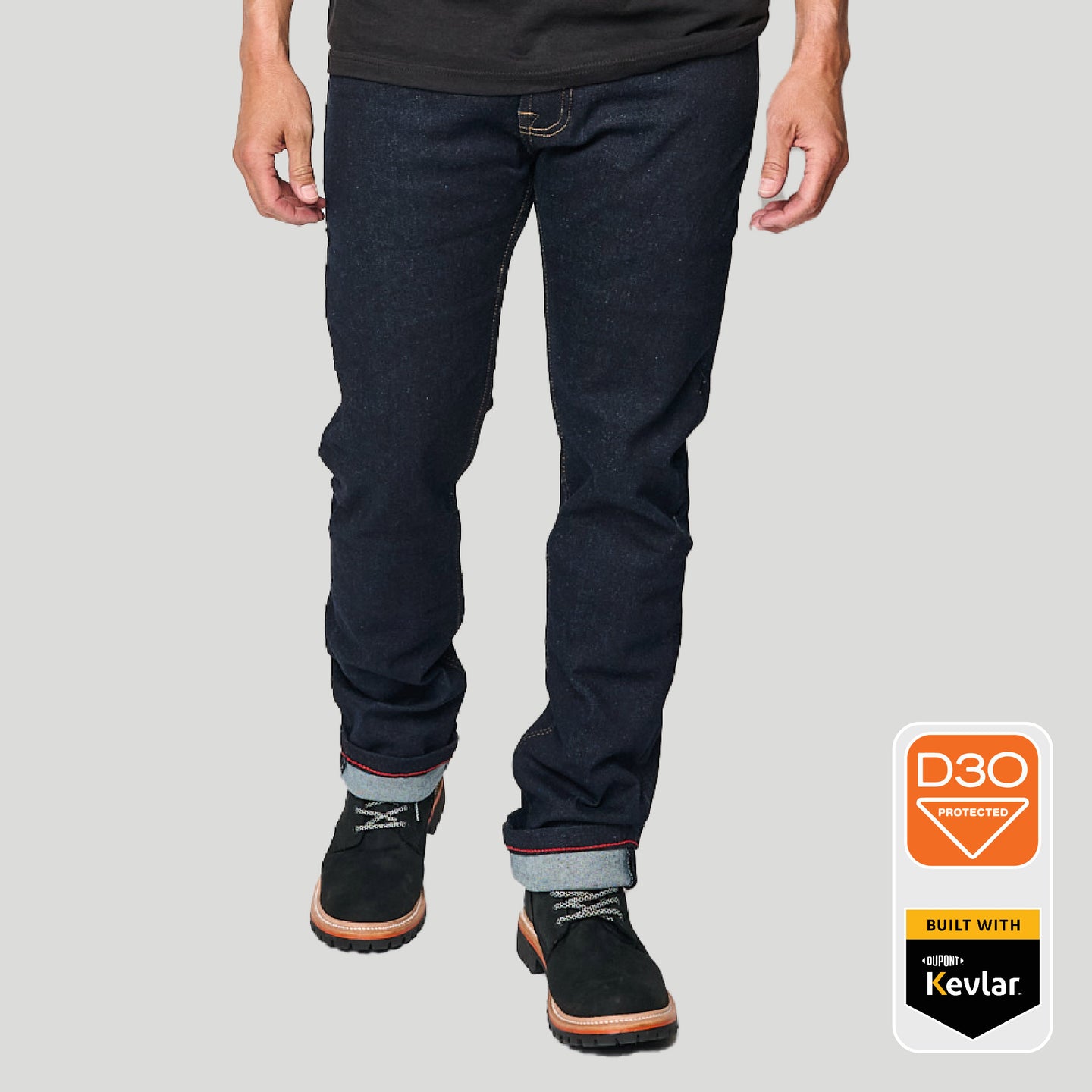
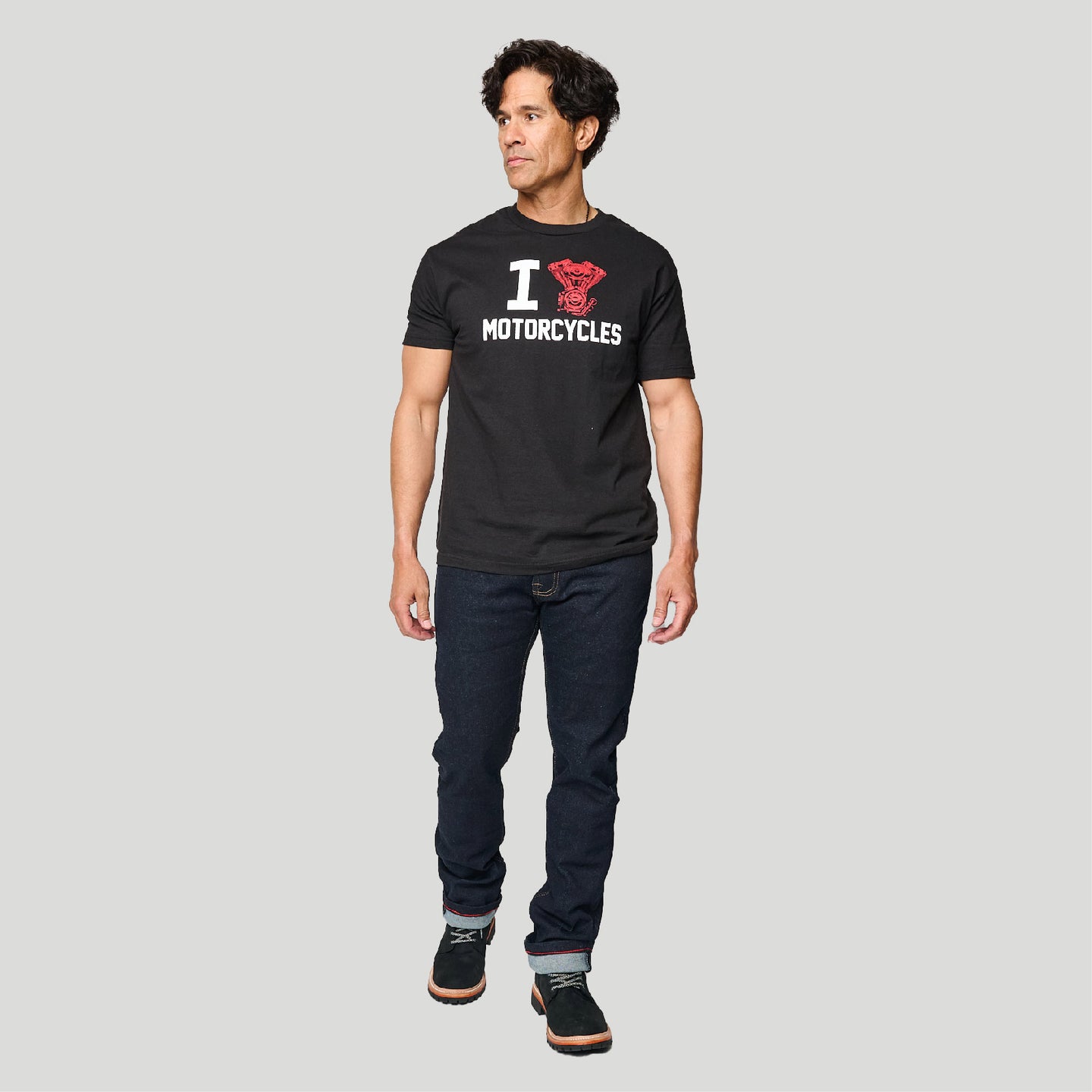
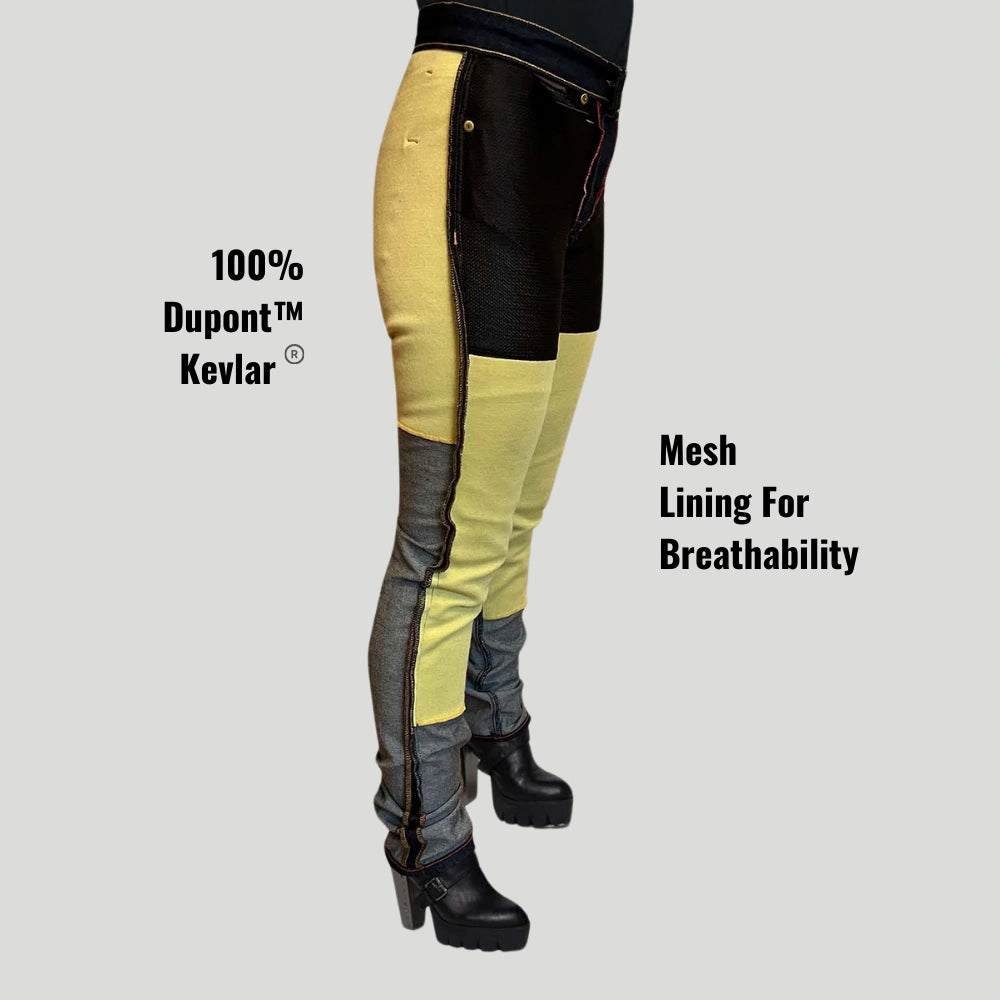
Our Ironsides Black riding jeans pair raw stretch denim with a protective DuPont™ Kevlar® lining and pockets for removable D3O® knee and hip armor. That armor is sold separately, so make sure your setup includes it if you want the added impact protection.
The same attention you put into choosing the route belongs in choosing what you wear for it.

Make room for another good ride
There’s plenty to love about riding this time of year: a jacket that’s finally getting some use, a favorite stretch of road in different light, and a lunch stop that turns into an afternoon.
Check the bike. Bring the extra layer. Give yourself time to get home.
Then enjoy the miles you came for.








Leave a comment
All comments are moderated before being published.