

Motorcycle Drifting & Stunt Riding: What It Takes to Ride with Skill and Style


Motorcycle drifting and stunt riding are two of the most eye-catching aspects of modern motorcycling culture — high skill, smooth throttle control, and confident balance make these techniques both impressive and rewarding. Many riders are inspired by shared riding clips online that highlight how experienced riders lean, slide, and maneuver their bikes with precision in real-world conditions, like the KTM drift moves seen in a popular YouTube clip.
Whether you ride for fun, sport, or performance, understanding the fundamentals of drifting and stunt riding can help you ride more confidently and responsibly.
What Is Motorcycle Drifting?
Motorcycle drifting is when the rider intentionally induces a controlled slide of the rear wheel while cornering or during a maneuver. Unlike everyday riding, drifting requires precise throttle control, clutch modulation, balance, and smooth inputs to keep the bike stable while the rear tire breaks traction.
In the drifting clip referenced above, the rider demonstrates how small adjustments to throttle and body position allow for sustained controlled slides that look spectacular without sacrificing stability.
Why Riders Practice Stunt Techniques
Drifting and stunt riding aren’t just for show. Riders often practice these skills because:
-
They improve throttle and balance control
-
They build confidence in handling power delivery
-
They enhance overall bike awareness and coordination
-
They foster a deeper understanding of how a motorcycle behaves at the limits
Key Elements to Master
1. Smooth Throttle Control
The foundation of any drift or stunt is precise throttle modulation. Too abrupt, and you lose control; too timid, and the move won’t sustain.
2. Body Position & Balance
Subtle shifts in weight help you guide the bike through the drift line. Leaning with the motorcycle, gripping the tank with your thighs, and relaxing your arms all contribute to smoother control.
3. Clutch and Braking Techniques
On many bikes, clutch work helps initiate slides while rear brake control helps manage speed and direction during a slide.
4. Controlled Environment Practice
Stunt skills should always be developed in safe, closed areas — never on public roads. Training facilities and track days with safety supervision are ideal for refining technique.
Safety & Gear You Need
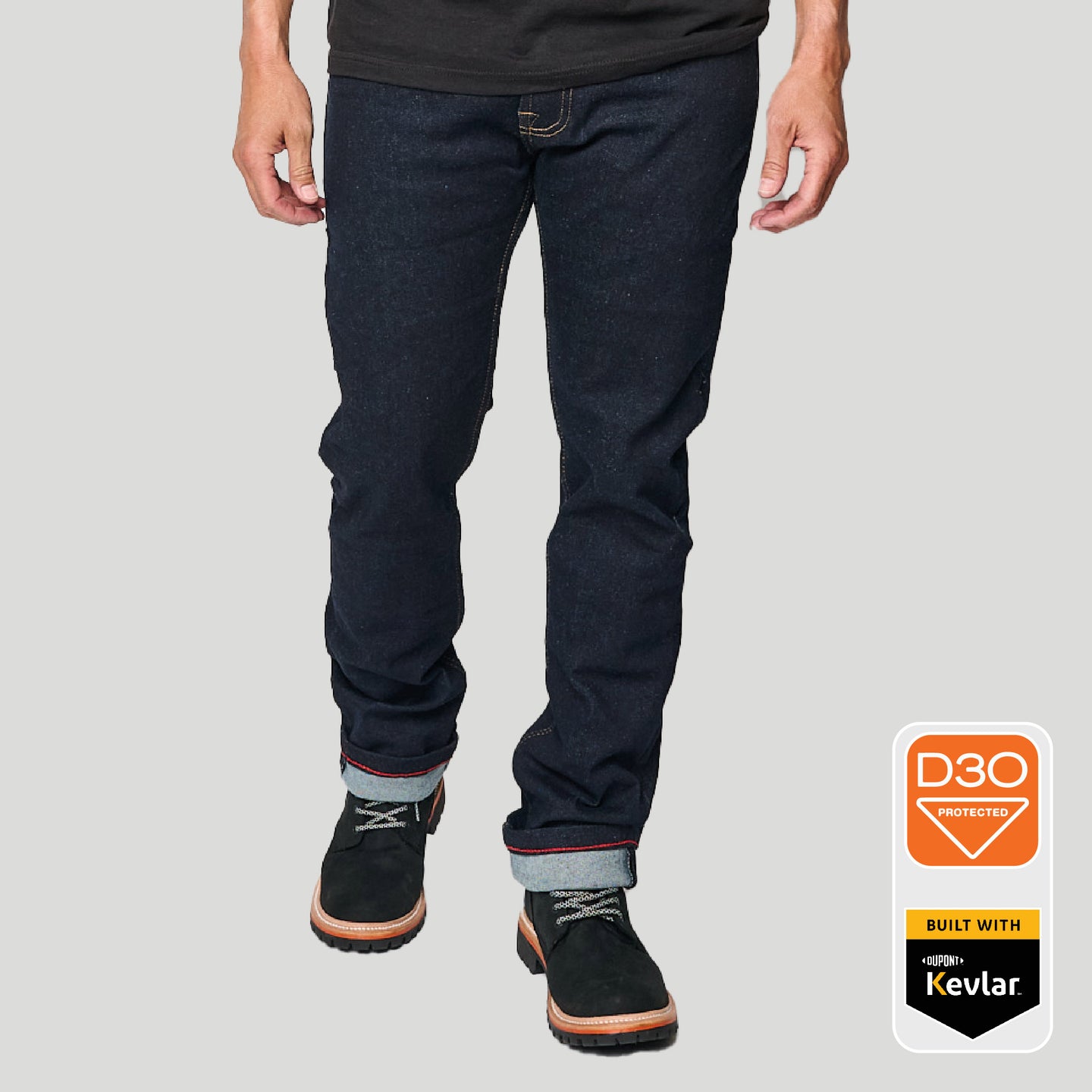
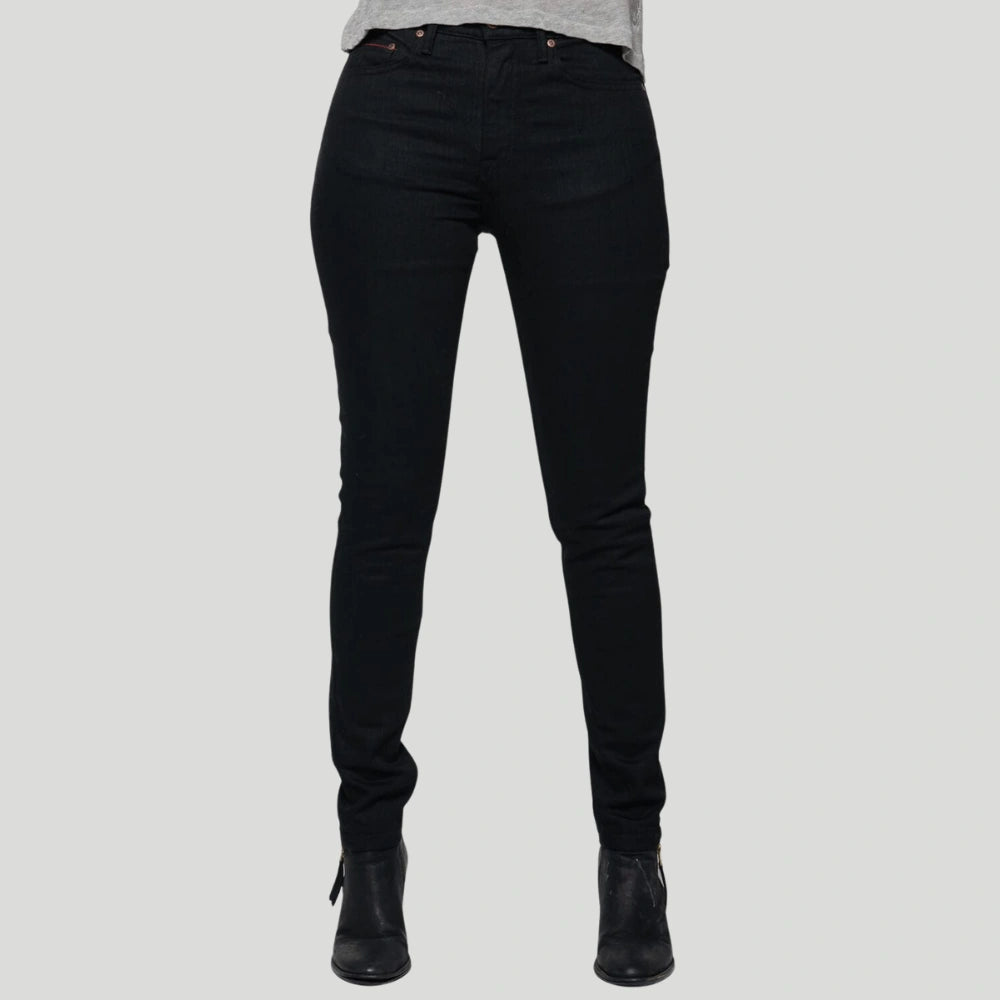
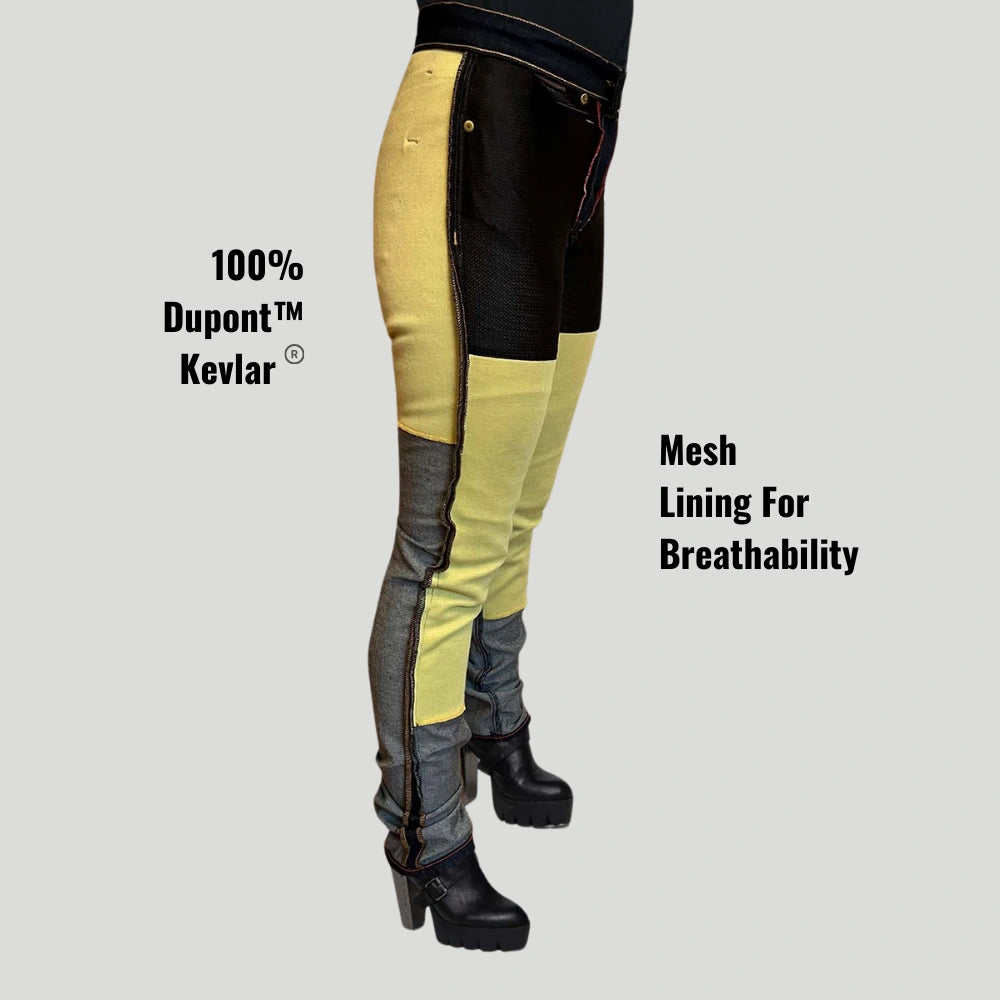
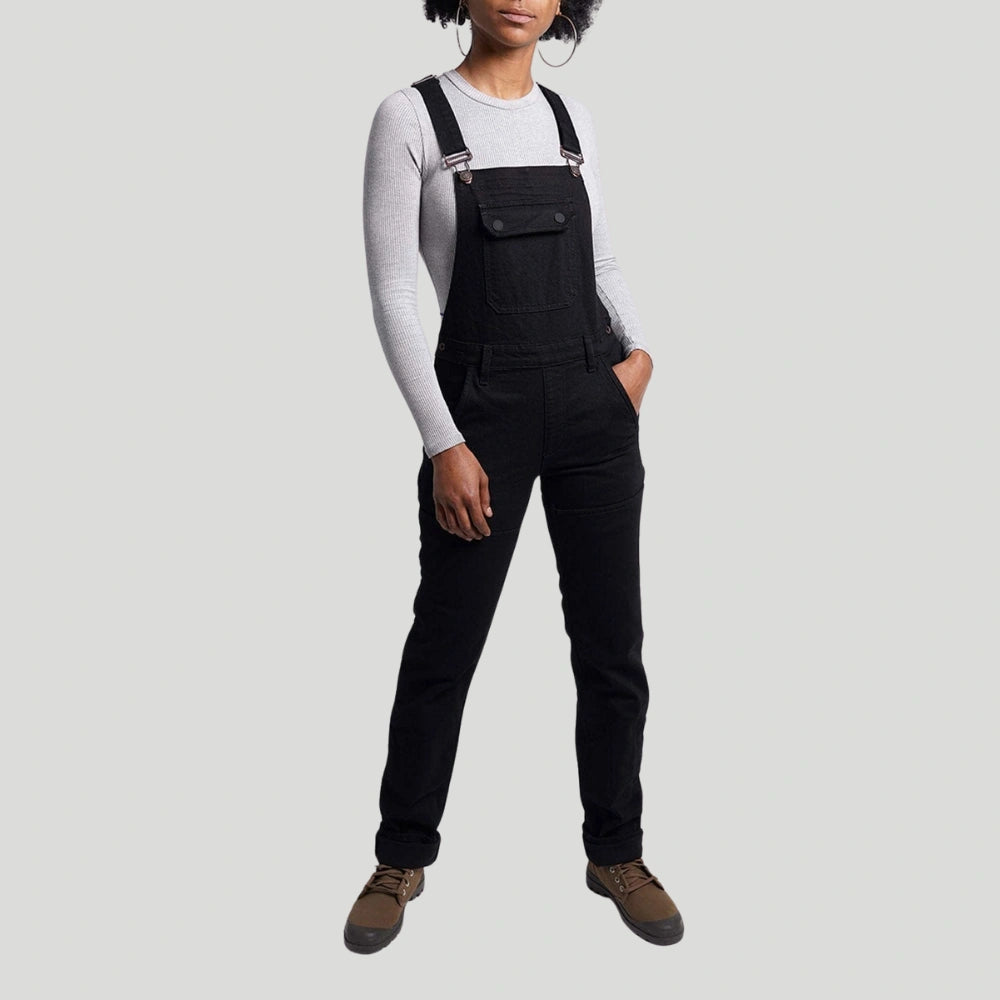
Because stunt riding pushes the bike and rider beyond normal riding dynamics, protective gear is essential. High-quality protection isn’t just about safety — it gives you the confidence to explore technique without fear.
When preparing for stunt practice or riding sessions, make sure you’re equipped with:
For riders seeking premium protective gear that performs on and off the street, Tobacco Motorwear’s collection offers stylish and functional jackets, gloves, and apparel built with both safety and rider confidence in mind.
Riding Responsibly
Drifting and stunt techniques can be thrilling, but they come with risks if attempted without proper preparation, gear, and environment. Focus first on fundamentals, practice in controlled areas, and always prioritize safety over spectacle.
By mastering balance, throttle control, and body positioning — and by investing in quality protective gear like those available at Tobacco Motorwear — you’ll elevate both your skills and your confidence as a rider.














Leave a comment
All comments are moderated before being published.