

Spring Motorcycle Riding Tips: Advanced Guide for Safer Rides


Spring feels like freedom—longer days, better weather, and the return to riding after months off the bike.
But experienced riders know the truth: spring is one of the most unpredictable—and unforgiving—times to ride.
Conditions change constantly. Roads are inconsistent. And your own instincts may not be as sharp as you remember.
Spring isn’t about getting back to riding fast.
It’s about getting back to riding right.
Spring Roads Are More Dangerous Than They Look

Winter leaves behind more than cold—it leaves unpredictable surfaces.
Even on a clear day, roads may still be covered in:
- Fine gravel and sand
- Residual salt and dirt
- Potholes and surface cracks
- Slick painted lines and metal plates
For experienced riders, the challenge isn’t just reduced grip—it’s inconsistent grip.
One corner feels planted. The next suddenly lets go.
This is where control matters more than speed. Smooth throttle, progressive braking, and deliberate inputs become the difference between confidence and risk.
Cold Tires Change Everything

Spring tricks a lot of riders.
The air feels warm—but your tires don’t care about air temperature. They care about road temperature and heat buildup.
Until your tires warm up:
- Grip is reduced
- Braking distances increase
- Lean angles become less forgiving
The first 10–15 minutes of your ride are the most critical.
Riders who rush into aggressive riding too early are often the ones caught off guard.
Riders who stay smooth early? They stay in control.
Visibility Isn’t Just About Seeing—It’s About Being Seen

Spring brings constantly shifting visibility:
- Foggy mornings
- Sudden rain
- Low-angle sun glare
- Drivers who aren’t yet used to motorcycles being back on the road
But here’s the advanced perspective:
Visibility is a positioning problem, not just a vision problem.
Where you place yourself in the lane, how you move through traffic, and how predictable you are to others matter more than simply reacting.
Rider Rust Is Real

Even experienced riders aren’t immune to time off the bike.
After weeks or months away, you may notice:
- Slight delays in reaction time
- Less precise throttle and brake inputs
- Confidence returning faster than actual skill
That mismatch is where mistakes happen.
The smartest riders treat early-season rides as recalibration—not performance.
They rebuild:
- Smoothness
- Timing
- Feel for traction
Before pushing limits again.
Gear Isn’t Just Protection—It’s Performance

Spring is where most riders get gear wrong.
It’s not cold enough for heavy winter layers.
Not warm enough for minimal summer gear.
So riders compromise—and that compromise often affects how they ride.
Heavy gear restricts movement.
Light gear sacrifices protection.
Poor ventilation leads to fatigue.
And fatigue leads to mistakes.
A well-designed protective riding shirt should move naturally with your body while still offering abrasion resistance.
This is exactly where riders start to rethink what they wear. Traditional bulky jackets can feel restrictive, especially in changing temperatures, while lighter gear often sacrifices protection.
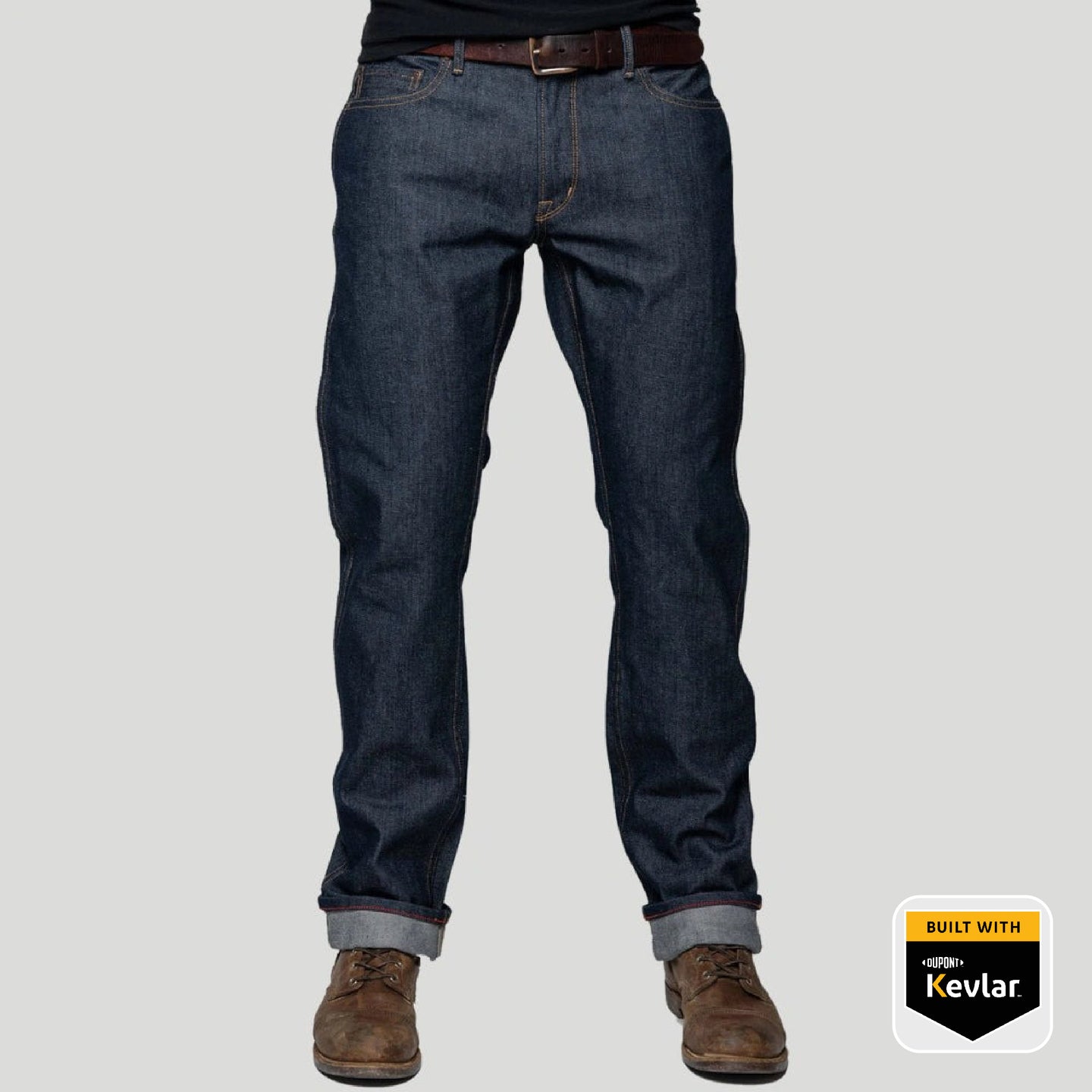
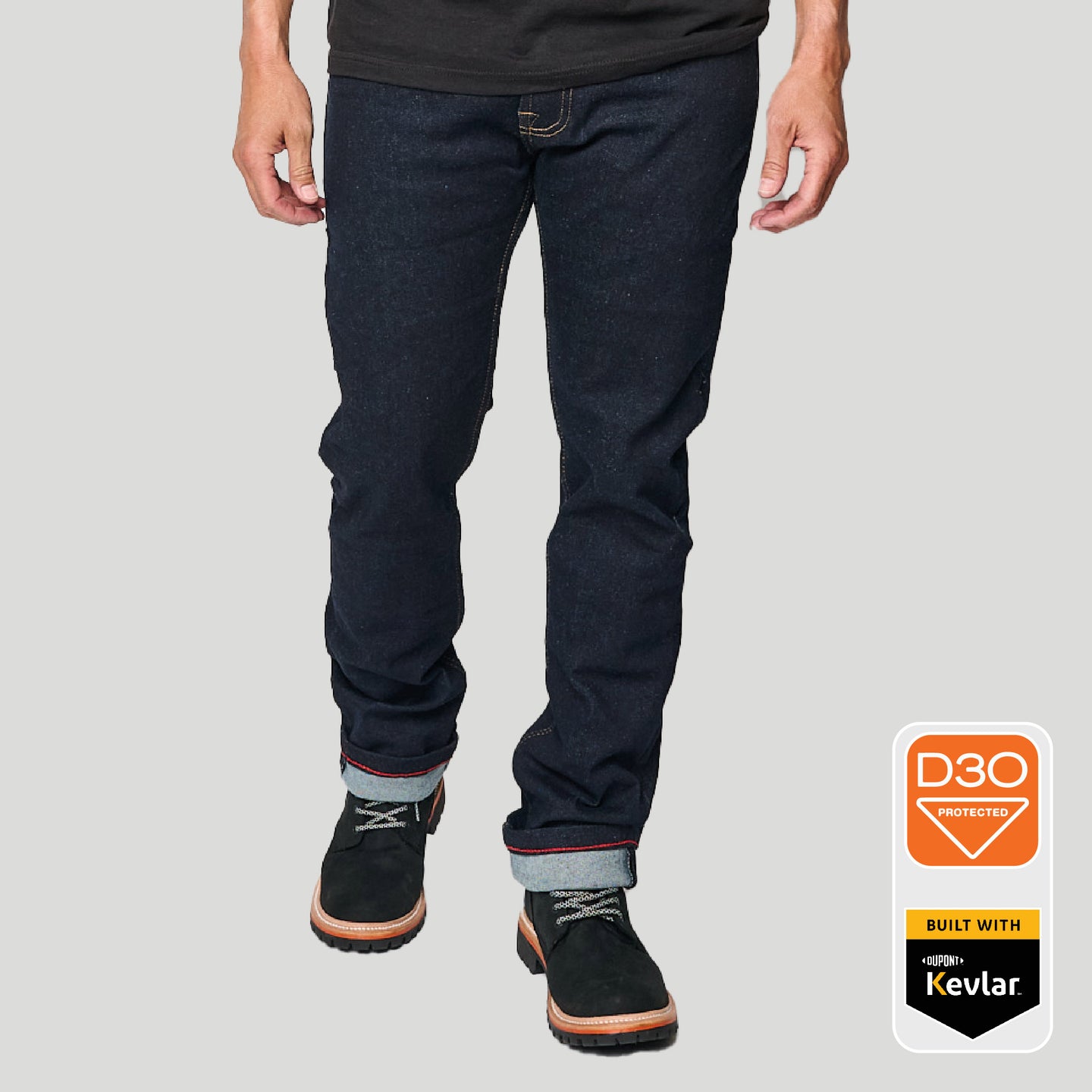
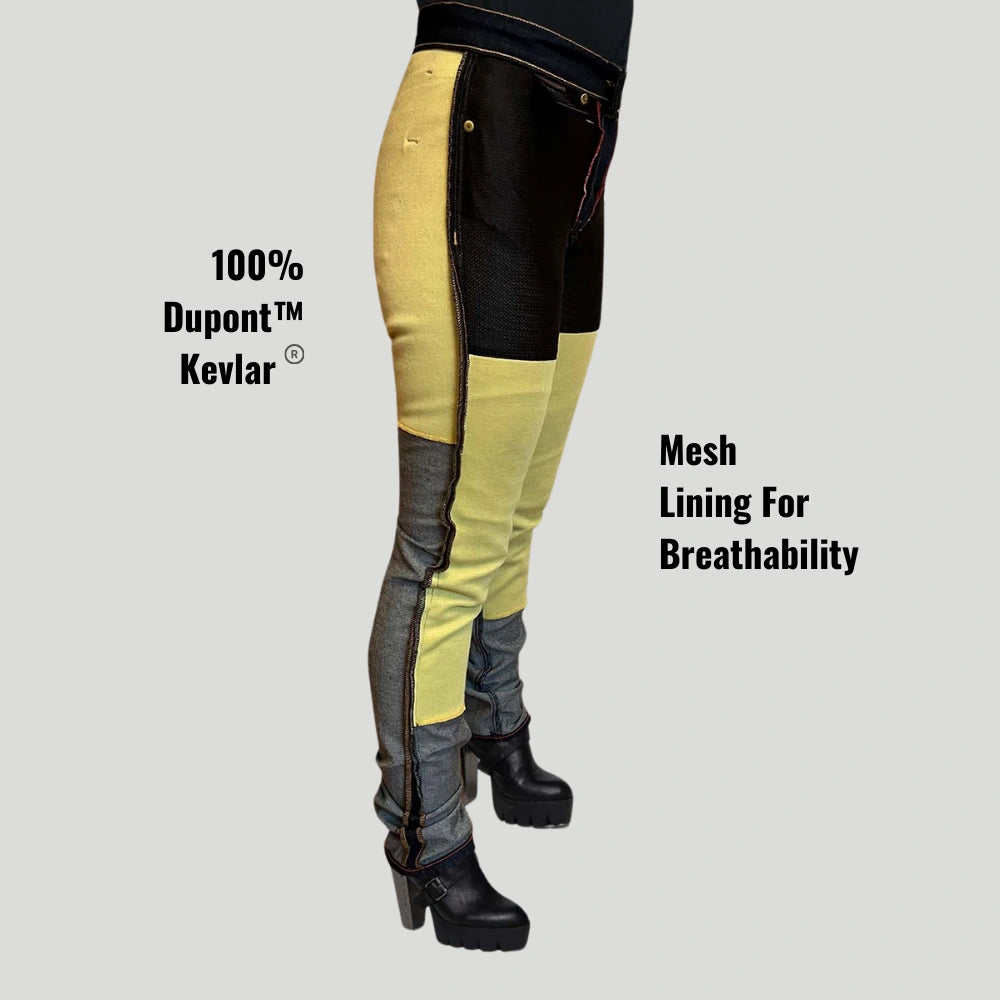
Modern Kevlar-lined riding shirts and jackets offer a balance—giving you abrasion resistance without the weight, and the flexibility to ride comfortably whether the day starts cold or ends warm.
A well-designed riding shirt or jacket should:
- Move naturally with your body
- Provide protection without bulk
- Adapt to changing temperatures throughout the ride
- Look normal off the bike—but perform when it matters
Because in real-world riding, you’re not just managing the road—you’re managing comfort, mobility, and awareness at the same time.
The Real Risk of Spring Riding
It’s not the road.
It’s not the weather.
It’s not even your bike.
It’s misjudging all three at once.
Spring riding becomes dangerous when confidence returns faster than conditions improve.
Spring Riding Checklist for Experienced Riders
Before you start pushing your pace again:
- Take the first 10–15 minutes seriously (cold tires = low grip)
- Assume every corner has debris
- Ride smoother, not faster
- Rebuild your feel before testing limits
- Prioritize visibility through positioning
- Choose gear that lets you move, adapt, and stay focused
Final Thoughts
Spring riding rewards riders who stay disciplined.
Not the fastest.
Not the most aggressive.
But the most aware.
Because when conditions are unpredictable, control becomes everything.
And the riders who stay in control?
They’re the ones who ride longer—and ride better.
Built for Real-World Riding Conditions
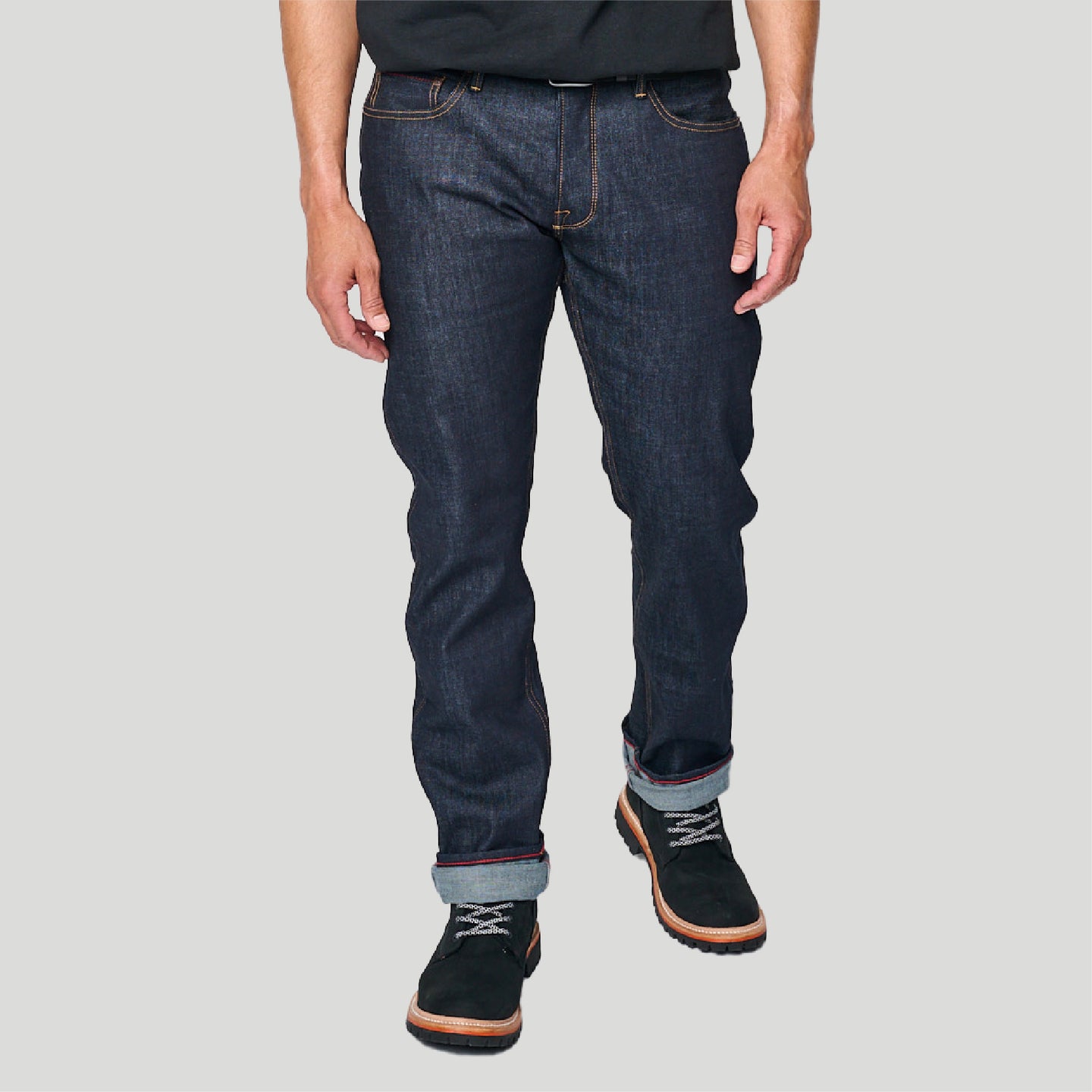
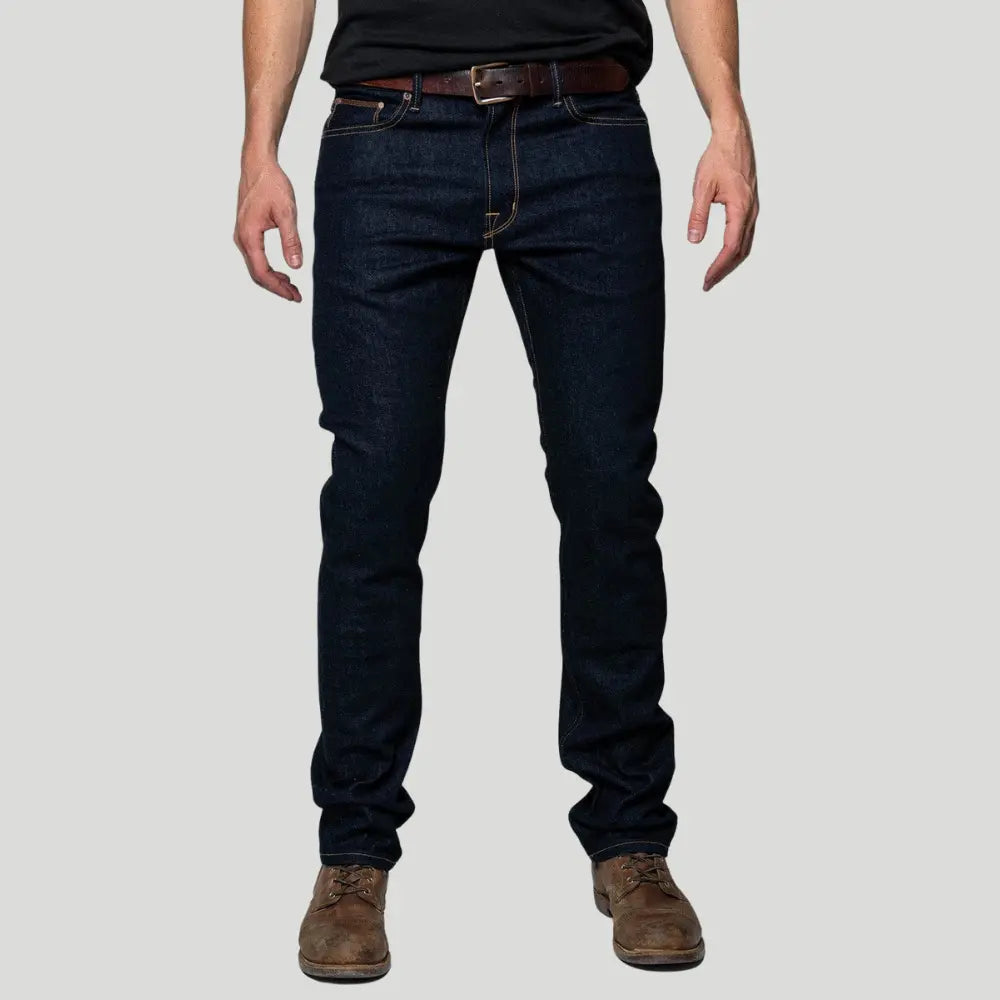
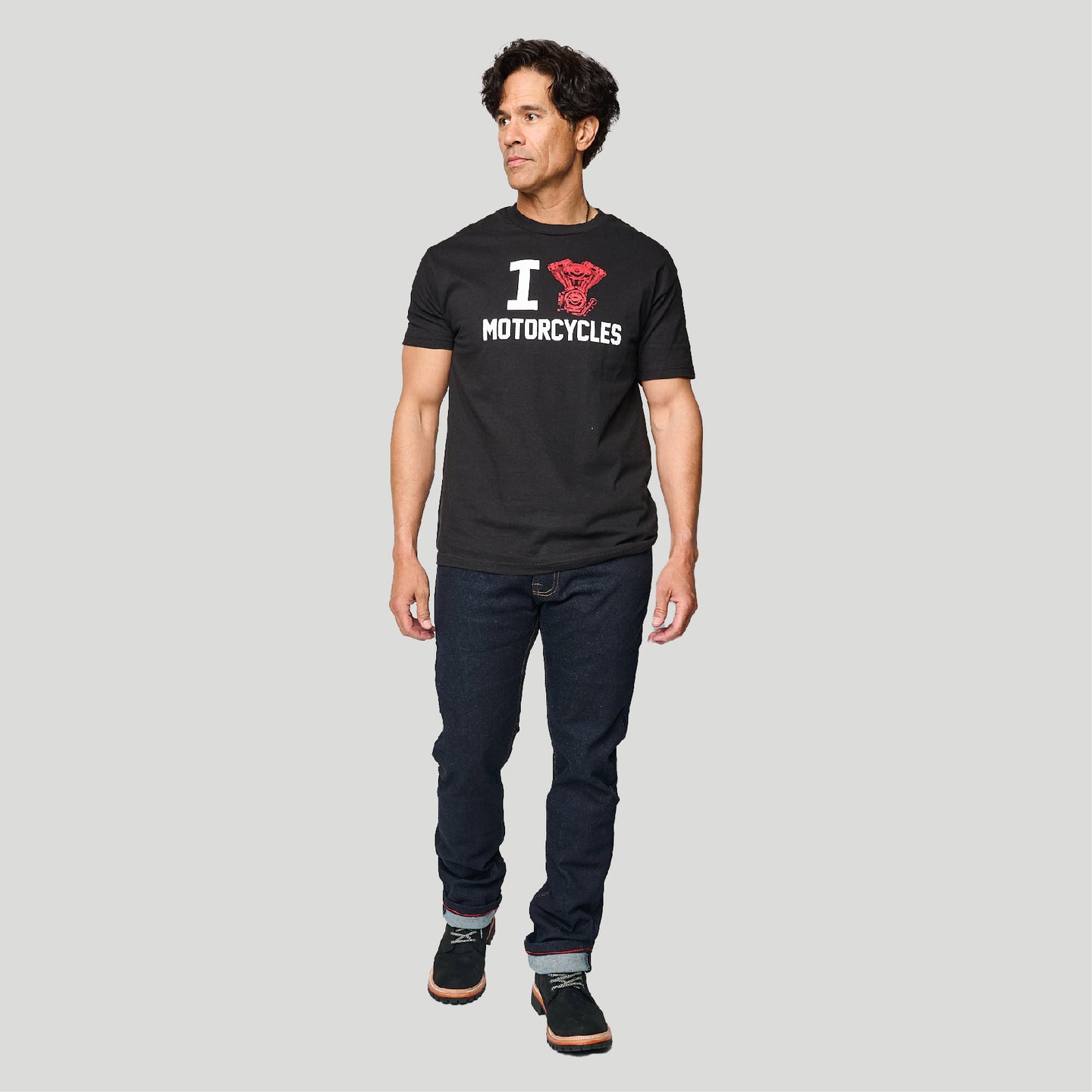
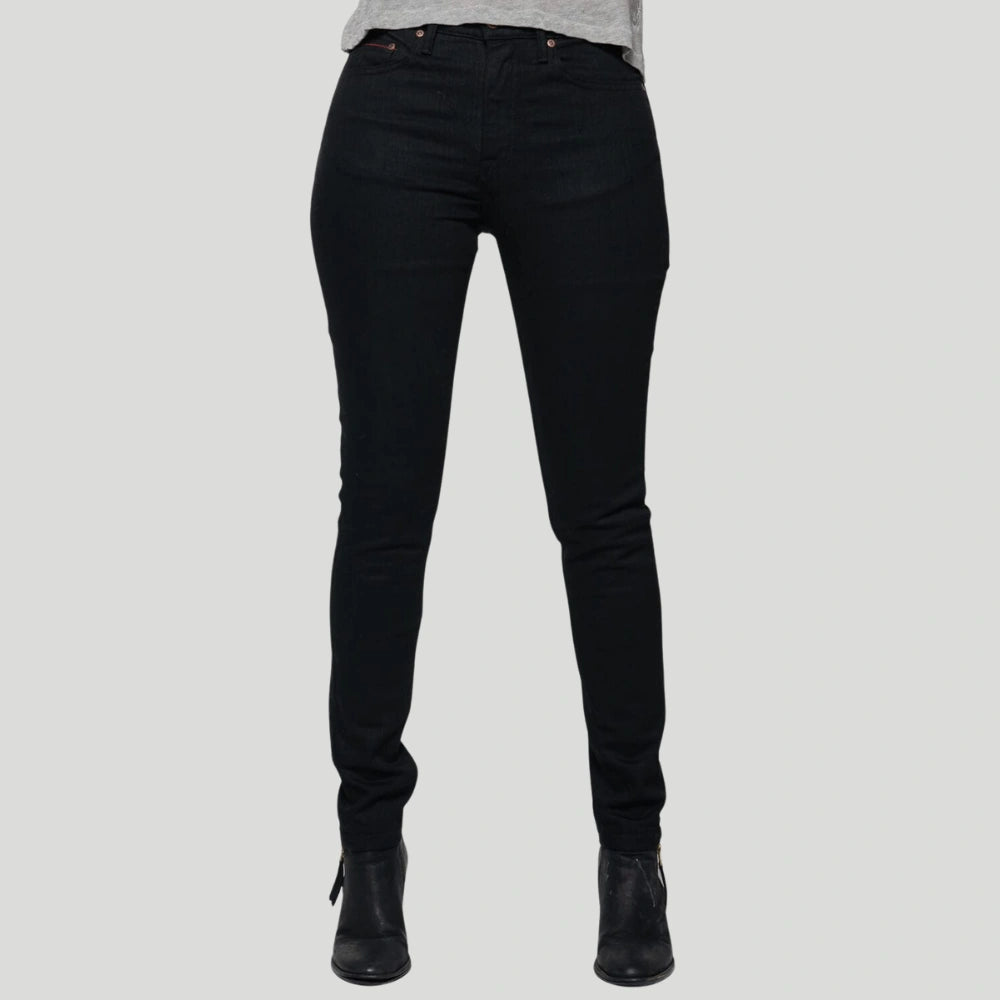
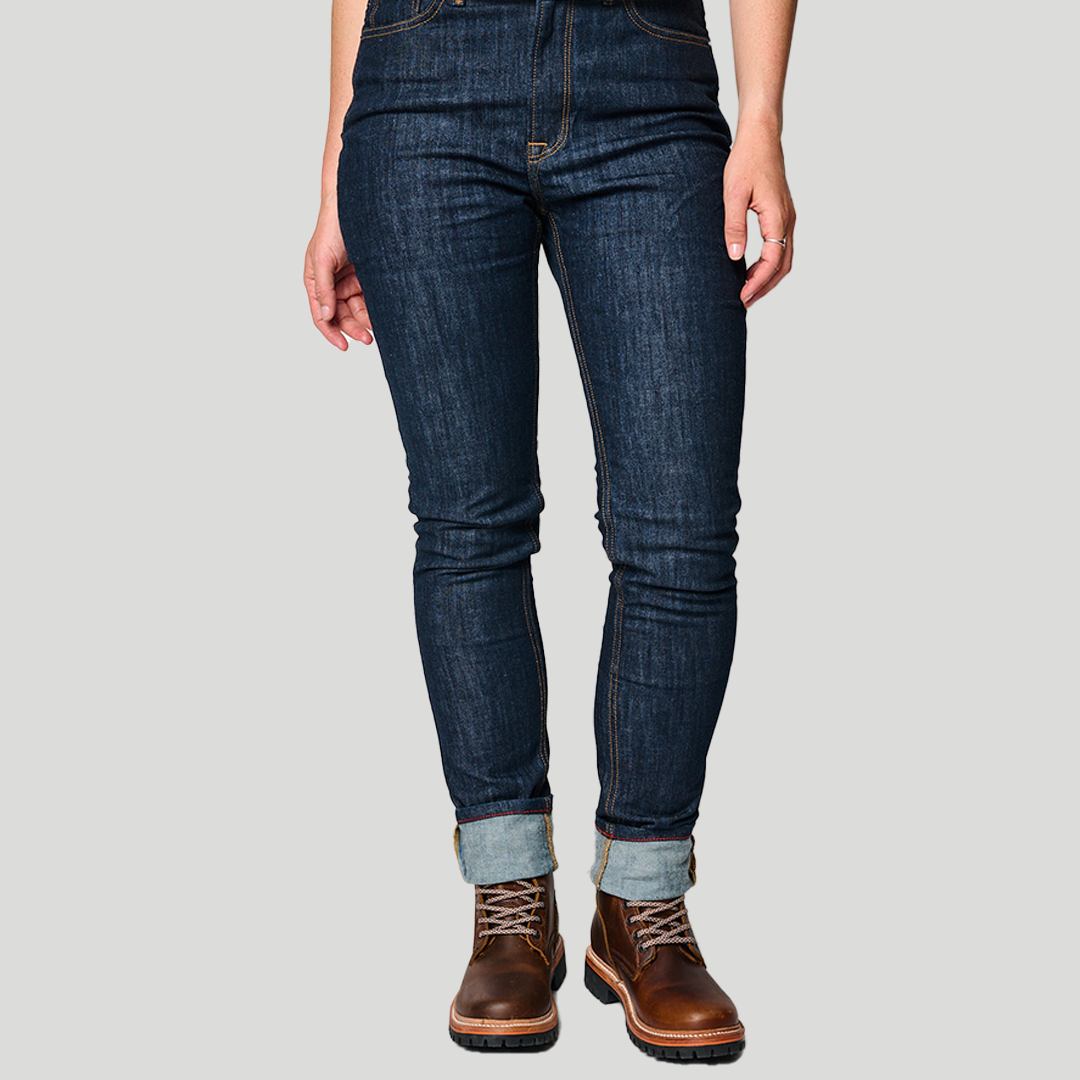
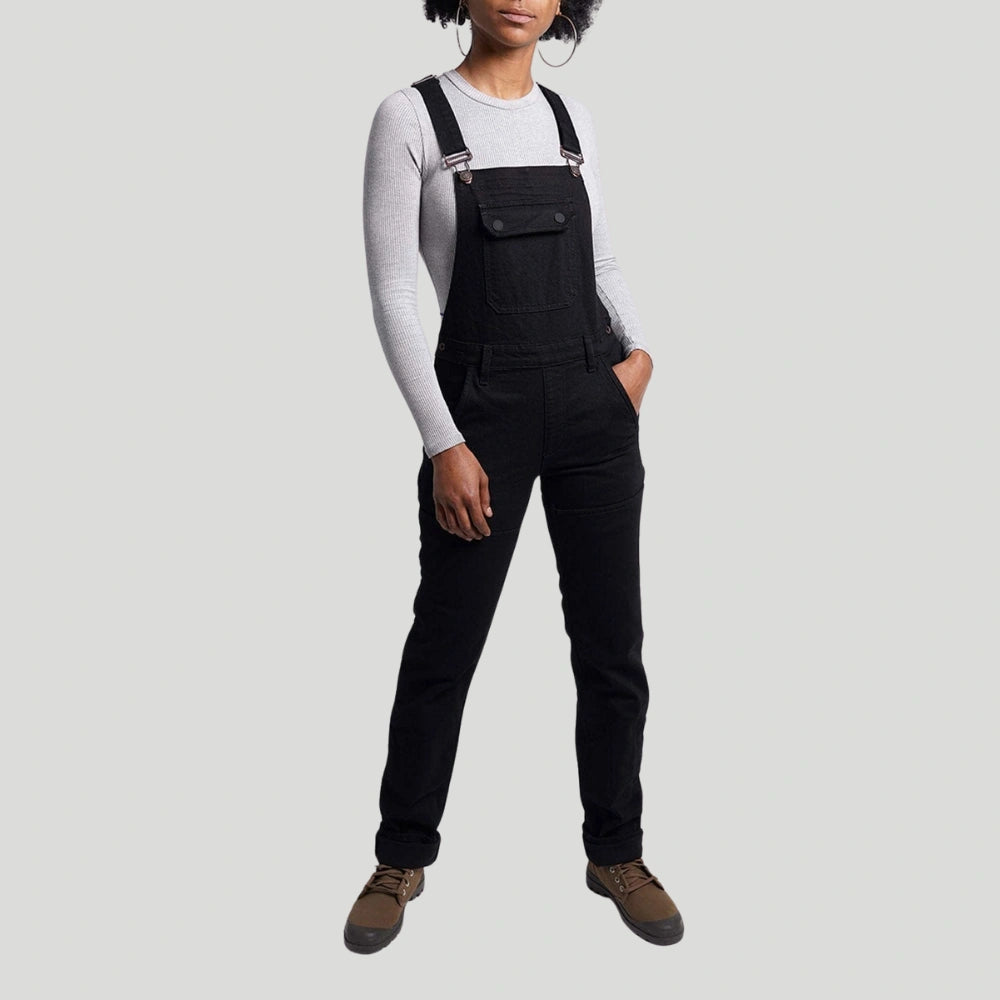
At Tobacco Motorwear, we design gear for riders who don’t just ride in perfect conditions. Our pieces are built to balance protection, comfort, and everyday wear—so you can stay focused on the ride, no matter the season.









Leave a comment
All comments are moderated before being published.